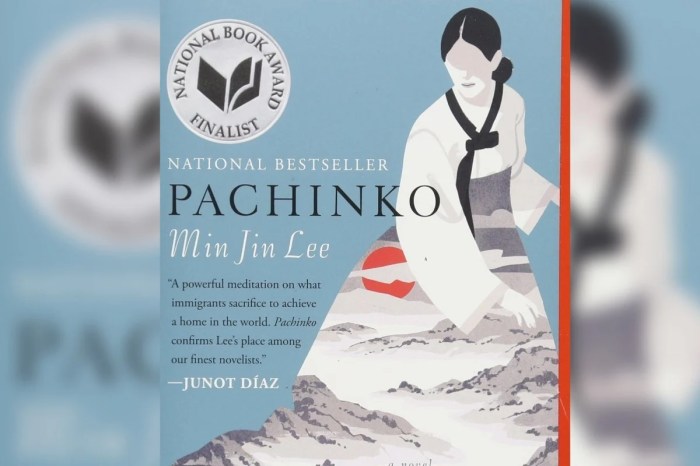
QOTD: “But here’s the truth: There’s no such thing as a benevolent leader. I protect you because you work for me. If you act like a fool and go against my interests, then I can’t protect you.” Koh Hansu in Pachinko (novel)

Vooi & Yee | Advocates & Solicitors | Commissioner For Oaths @ Johor Bahru, Malaysia
Advocates & Solicitors | Peguambela & Peguamcara | Commissioner For Oaths | Pesuruhjaya Sumpah | Lawyer | @ Johor Bahru, Malaysia | law firm legal
QOTD: “But here’s the truth: There’s no such thing as a benevolent leader. I protect you because you work for me. If you act like a fool and go against my interests, then I can’t protect you.” Koh Hansu in Pachinko (novel)
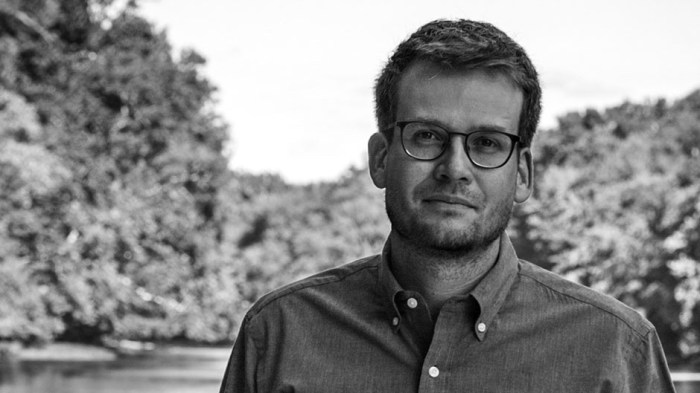
QOTD: “Today, food prices are lower relative to average wage than they’ve ever been in the United States, but our diets are often poor. The average American ingests more sugar and sodium than they should, largely because of processed, prepackaged foods.” The Anthropocene Reviewed by John Green
QOTD: "Finally, as some radical Republicans complained, the abdication agreement that capped the success of the revolution was extraordinarily favorable to the Manchus. Unable to capture or depose the Xuantong emperor (who had just turned six when he abdicated), the revolutionaries allowed him to keep a semblance of his former title and to continue to … Continue reading QOTD

QOTD: “There is no such thing as worry that is completely defined by the individual; so-called internal worry does not exist. Whatever the worry that may arise, the shadows of other people are always present.” The courage to be disliked by Fumitake Koga and Ichiro Kishimi
QOTD: "Some of the banner people attempted to flee, but, as in Wuchang, it was difficult for them to escape detection. They were known by their clothing, by their cast of countenance, by their speech. Their fondness for reds and yellows, their use of white linings, their high collars and narrow sleeves their belts, their … Continue reading QOTD
QOTD: "Yet other cultural differences ivided Manchus and Han. For example, they differed in how they styled themselves when addressing the emperor in writing. When memorializing the throne, a bannerman referred to himself, in Chinese, as nucai (your slave), whereas a Han utilized the term chen (your minister)." Manchus and Hans by Edward J.M. Rhoads
QOTD: "The Qing dynasty began with Dorgon's regency (1643-50), and it was to end with another, Zaifeng's. Zaifeng had come to power because Cixi, thinking that she would outlive the dying Guangxu emperor, wanted another infant emperor with a compliant father as regent who would allow her to continue to "listen to government from behind … Continue reading QOTD
QOTD: "If you love anyone, you cannot help but share his suffering." Pastor Shin in Pachinko (novel)
QOTD: " The agitation for cutting the hair and altering the dress code did not go unchallenged. Some were opposed because it was contrary to "ancestral customs." Former Grand Councilor Shixu, when told that the abolition of the queue would not necessarily lead to the extinction of the nation, retorted, "Though China might not perish, … Continue reading QOTD
QOTD: "Finally, at the heart of Great Harmony Journal's analysis of the Manchu-Han question was its definition of China in political rather than ethnic terms. To be sure, it recognized the existence of different "races" (zu) within China, specifically five Manchus, Han, Mongol, Muslims (Hui), and Tibetans. This may seem to be no more than … Continue reading QOTD