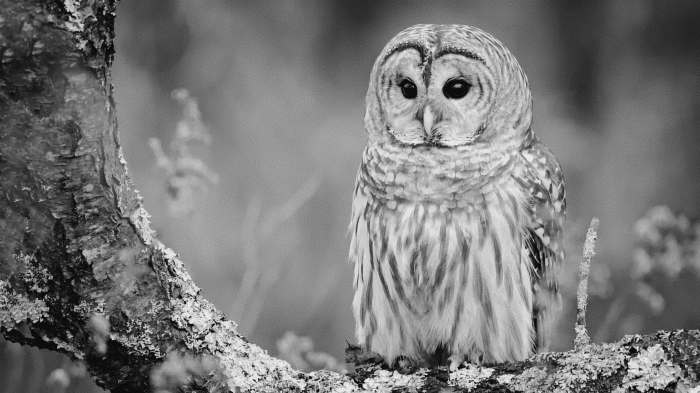
A wise old owl lived in an oak;The more he saw the less he spoke;The less he spoke the more he heard:Why can't we all be like that bird?- Edward Hersey Richards

Vooi & Yee | Advocates & Solicitors | Commissioner For Oaths @ Johor Bahru, Malaysia
Advocates & Solicitors | Peguambela & Peguamcara | Commissioner For Oaths | Pesuruhjaya Sumpah | Lawyer | @ Johor Bahru, Malaysia | law firm legal
A wise old owl lived in an oak;The more he saw the less he spoke;The less he spoke the more he heard:Why can't we all be like that bird?- Edward Hersey Richards
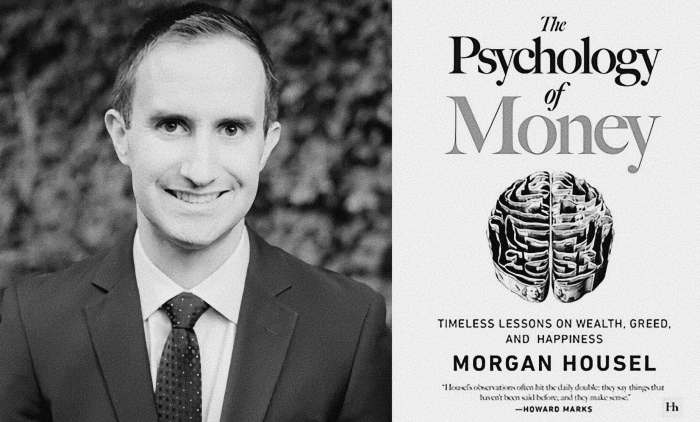
“The letter I wrote after my son was born said, “You might think you want an expensive car, a fancy watch, and a huge house. But I’m telling you, you don’t. What you want is respect and admiration from other people, and you think having expensive stuff will bring it. It almost never does—especially from … Continue reading QOTD
“… you are not the center of the world—as being the same thing. You are a part of a community, not its center.” Excerpt From The Courage to Be Disliked by Fumitake Koga and Ichiro Kishimi
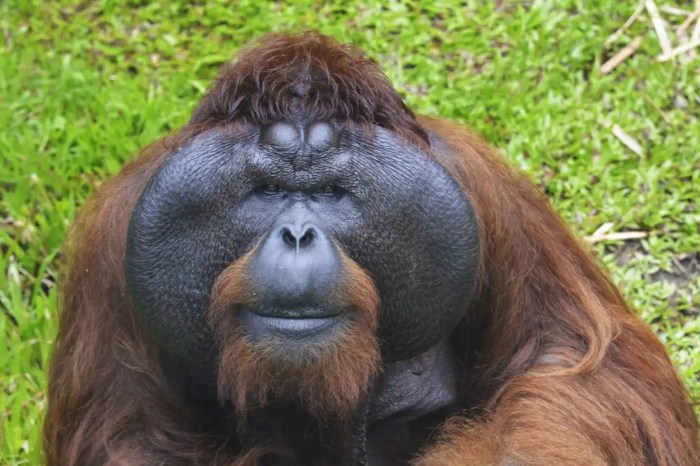
"In Malaysia, if you see orangutan, orangutan will kill you first, not you kill the orangutan first. Betul tak?" a female politician and former minister
“When you see someone driving a nice car, you rarely think, “Wow, the guy driving that car is cool.” Instead, you think, “Wow, if I had that car people would think I’m cool.” Subconscious or not, this is how people think.” Excerpt FromThe Psychology of Money: Timeless Lessons on Wealth, Greed, and HappinessMorgan HouselThis material … Continue reading QOTD
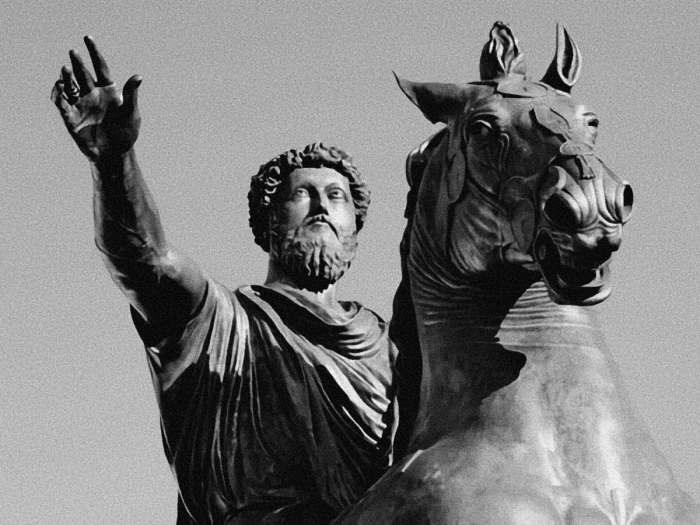
It never ceases to amaze me: We all love ourselves more than other people, but care more about their opinion than our own. — Marcus Aurelius
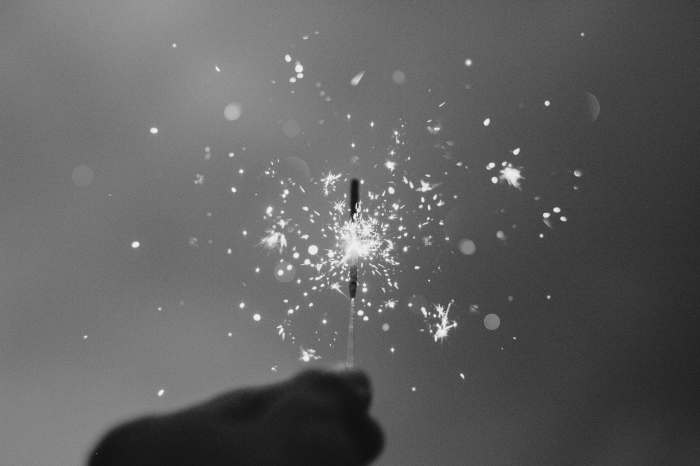
"Life may not be the party we hoped for, but while we're here we should dance." - Unknown

Let the old year end and the New Year begin with the warmest of aspirations. Happy New Year! Attribute: Designed by Freepik
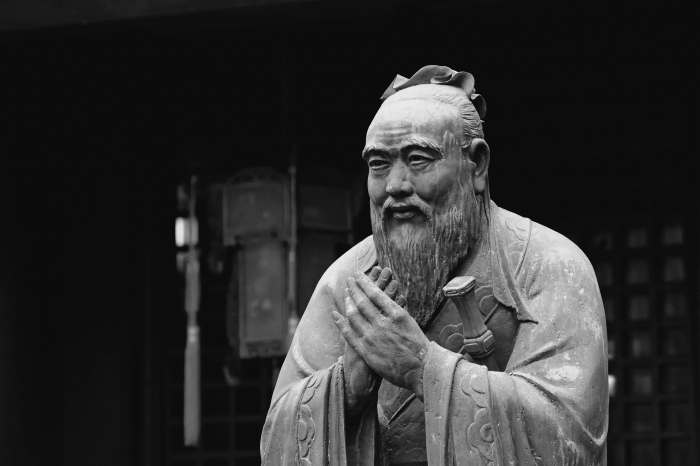
"Life is really simple, but we insist on making it complicated." - Confucius
Now, if one were to say that living like a stone tumbling downhill and allowing such inclinations or desires or impulses to take one wherever they will is “freedom,” one would be incorrect. To live in such a way is only to be a slave to one’s desires and impulses. Real freedom is an attitude … Continue reading QOTD